



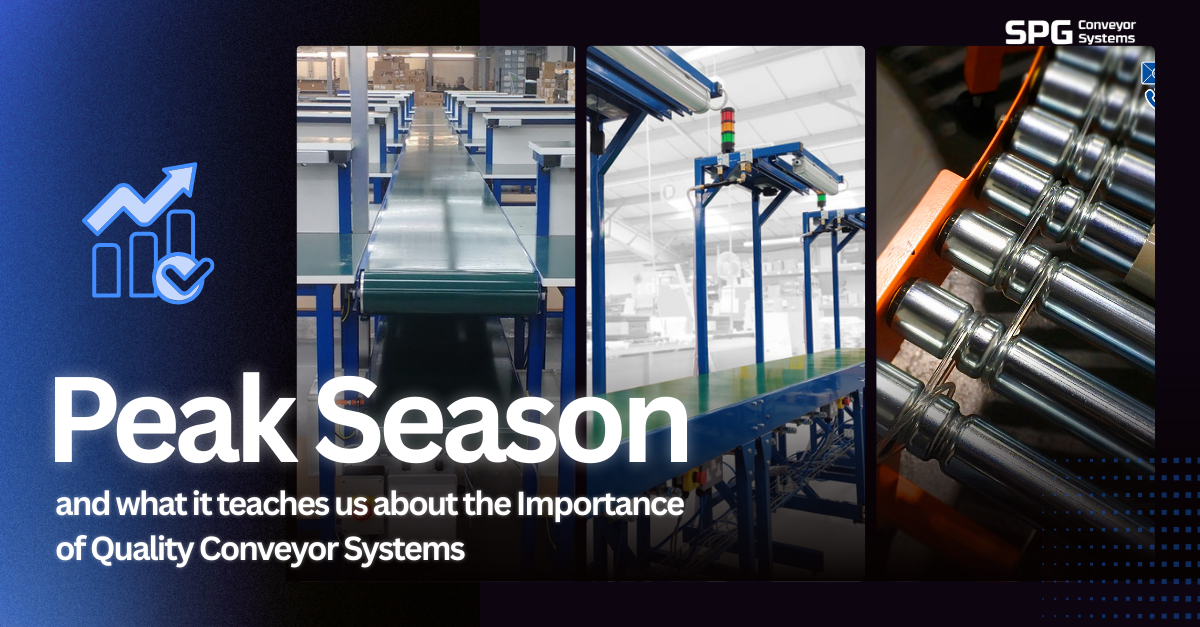
What Peak Season Taught Us About the Importance of Quality Conveyor Systems
Peak season is often the moment of truth for material handling systems. As order volumes rise and dispatch deadlines tighten, conveyor systems are pushed harder and for longer periods than at any other time of year. Processes that appear efficient during normal trading can quickly become strained when throughput increases.
From experience, one thing becomes clear very quickly: not all conveyor systems perform equally under pressure. In particular, off-the-shelf conveyors or under-specified equipment often struggle to cope with sustained peak demand.
This is where high-quality, bespoke conveyor systems make a measurable difference.
Why Peak Demand Exposes Conveyor Weaknesses
During busy periods, inefficiencies within a conveyor system are amplified. Common issues we see during peak season include poor product flow, bottlenecks between process stages, excessive manual handling, and unplanned downtime caused by conveyors not designed for continuous operation.
Lightweight frames, incorrect roller spacing, unsuitable belt types, or insufficient drive capacity can all lead to reduced performance. When conveyors are running for extended shifts, even minor design compromises can have a significant impact on throughput.
Peak season highlights a simple reality: conveyors must be designed for real operating conditions, not average ones.
How Quality Conveyor Systems Improve Efficiency at Peak Times
Well-designed conveyor systems form the backbone of efficient warehousing, manufacturing, and distribution operations. Whether using roller conveyors, belt conveyors, or a combination of different conveyor types, quality and correct specification are critical.
Roller Conveyors for Reliable Product Flow
Roller conveyors are widely used for cartons, totes, and unit loads. During peak demand, correctly specified powered roller conveyors or gravity roller conveyors help maintain consistent flow while reducing manual handling. Robust rollers, suitable load ratings, and smooth transitions between conveyor sections all contribute to higher efficiency.
Belt Conveyors for Continuous Handling
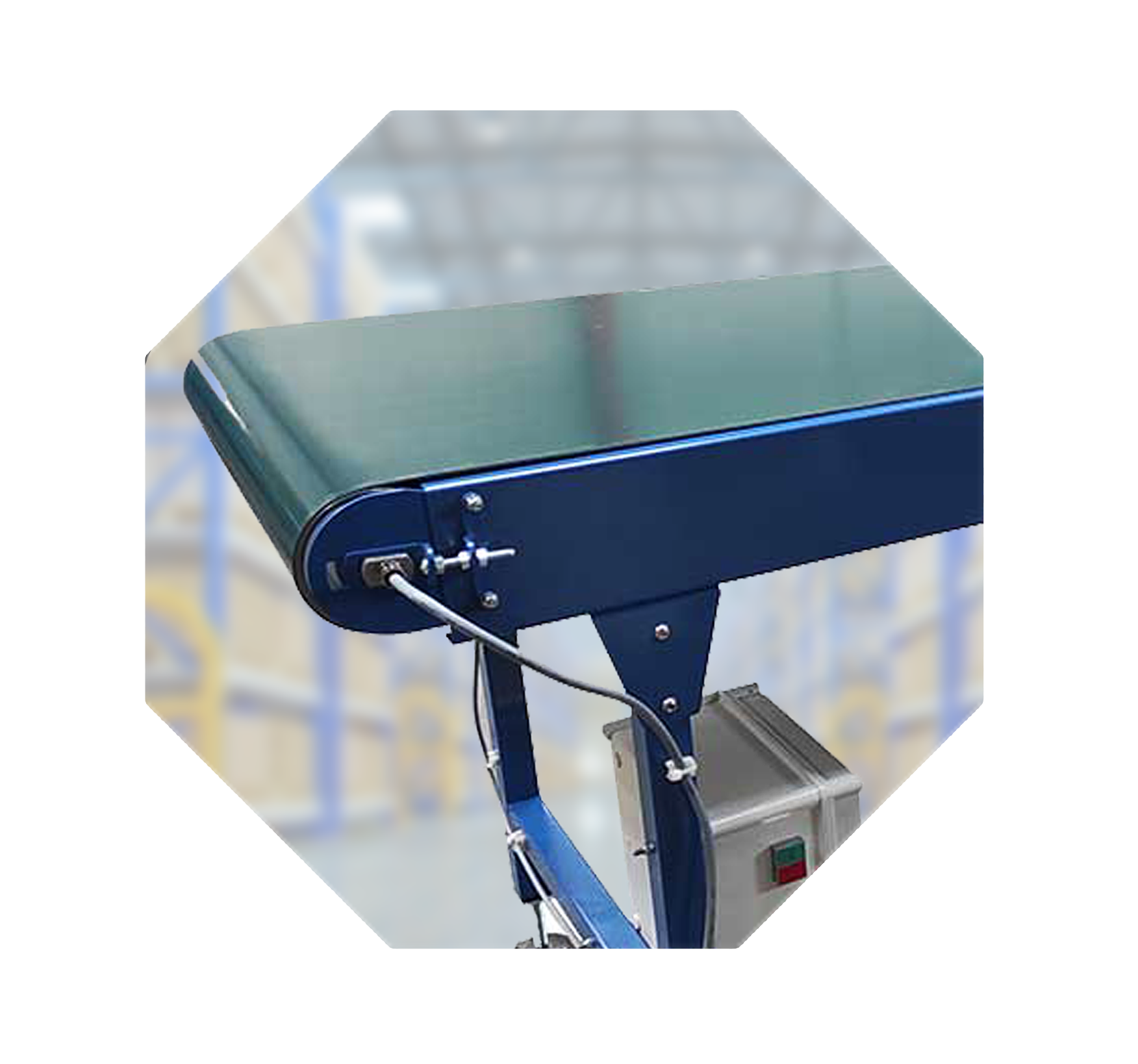
Belt conveyors are particularly effective for moving products continuously over longer distances or through different process stages. In high-volume environments, belt type, tracking accuracy, and drive reliability become essential. A well-built belt conveyor can operate continuously during peak periods without interruption, helping to maintain throughput and reduce congestion.
Bespoke Conveyor Design vs Standard Conveyor Solutions
Every operation handles different products, weights, and volumes. Standard conveyor systems are rarely optimised for specific layouts or peak throughput requirements.
Bespoke conveyor systems allow roller conveyors, belt conveyors, and other conveyor types to be designed around the process itself. Conveyor lengths, widths, speeds, and integration points are tailored to suit product flow, available space, and future growth plans. This results in systems that not only perform better during peak season but remain flexible as operations evolve.
Conveyor Systems Built for High Throughput
Peak season places sustained stress on conveyor equipment. For this reason, industrial conveyor systems must be built with durability in mind. Heavy-duty frames, reliable motors, quality bearings, and correctly specified belts or rollers ensure conveyors can operate consistently without excessive maintenance or downtime.
For businesses relying on their conveyors during critical trading periods, this level of build quality directly supports uptime, safety, and operational confidence.
Integrating Different Conveyor Types for Maximum Performance
Peak efficiency is often achieved by combining multiple conveyor types into a single system. For example, roller conveyors may be used for accumulation and packing areas, while belt conveyors handle longer transfers or elevation changes. Additional solutions such as curved conveyors, incline conveyors, decline conveyors, or modular conveyors can further optimise flow.
Designing these systems as a cohesive whole allows products to move smoothly from goods-in to dispatch, even during the busiest periods.
Lessons Learned from Peak Season
Peak season doesn’t just test capacity — it reveals whether conveyor systems are genuinely fit for purpose. Businesses that invest in high-quality, well-designed conveyor solutions typically see faster throughput, fewer breakdowns, reduced manual handling, and improved resilience when demand is at its highest.
The key takeaway is clear: a conveyor system is not just a means of transport; it is a critical productivity asset.
If peak season exposed limitations in your operation, it may be time to review whether your current roller conveyors, belt conveyors, or wider conveyor system are truly supporting your business goals. Investing in the right conveyor solution can deliver immediate efficiency gains and long-term operational benefits.
Get in touch with our friendly, knowledgeable team today for a free quote. Conveyor Systems by SpaceGuard has over 20 years of experience in conveyor design and functionality. If you're unsure about anything, don't hesitate to ask us.